

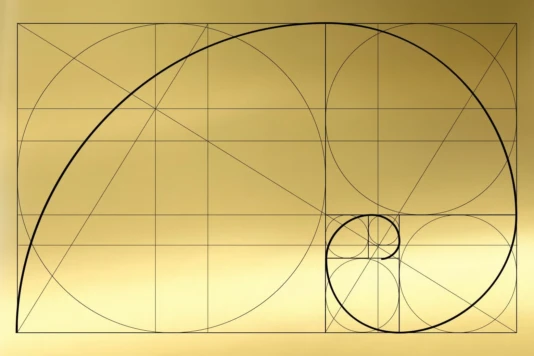
"The universal law in which is contained the ground-principle of all formative striving for beauty and completeness in the realms of both nature and art." — Adolf Zeising, Neue Lehre von den Proportionen des menschlichen Körpers, 1854
Form follows measured function.
The golden proportion has fascinated dentistry for half a century — since Lombardi introduced the repeated ratio into denture esthetics in 1973, and Levin applied φ to the perceived widths of the maxillary anterior teeth in 1978. It remains one of the most useful references of harmony we have.
But it is a reference, not a law. Lombardi himself found it too rigid for routine dental use, and no ratio has ever been shown to make a restoration last. A smile is not beautiful because it obeys a proportion; it is beautiful, and durable, because it is built on a mandibular position the muscles accept.
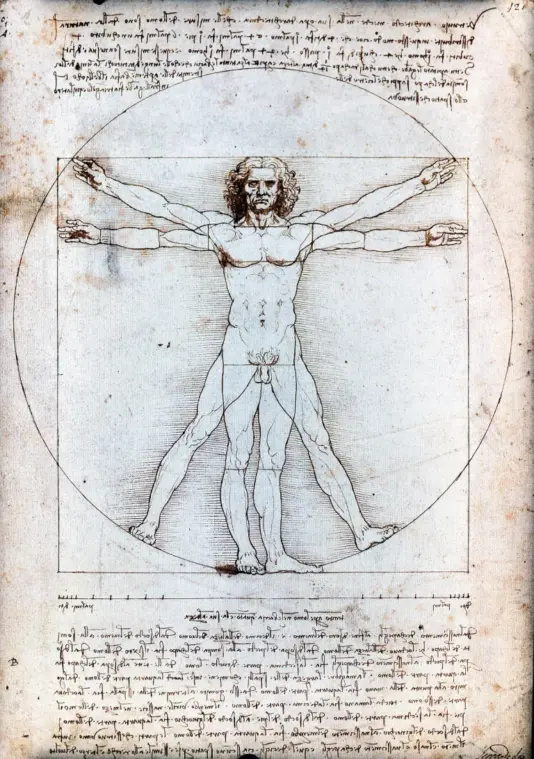
This is the distinction ICCMO has defended since 1979. Muscle activity can be measured. Mandibular rest and function can be measured. Occlusal relationships can be measured. When reconstruction begins from those measurements rather than from an ideal drawn on paper, proportion tends to appear of its own accord — because the face was shaped by function long before it was ever judged by the eye.
The Balkans Section teaches proportion in that order: measure first, then shape.
Form follows measured function, not the other way round.